RadioShack
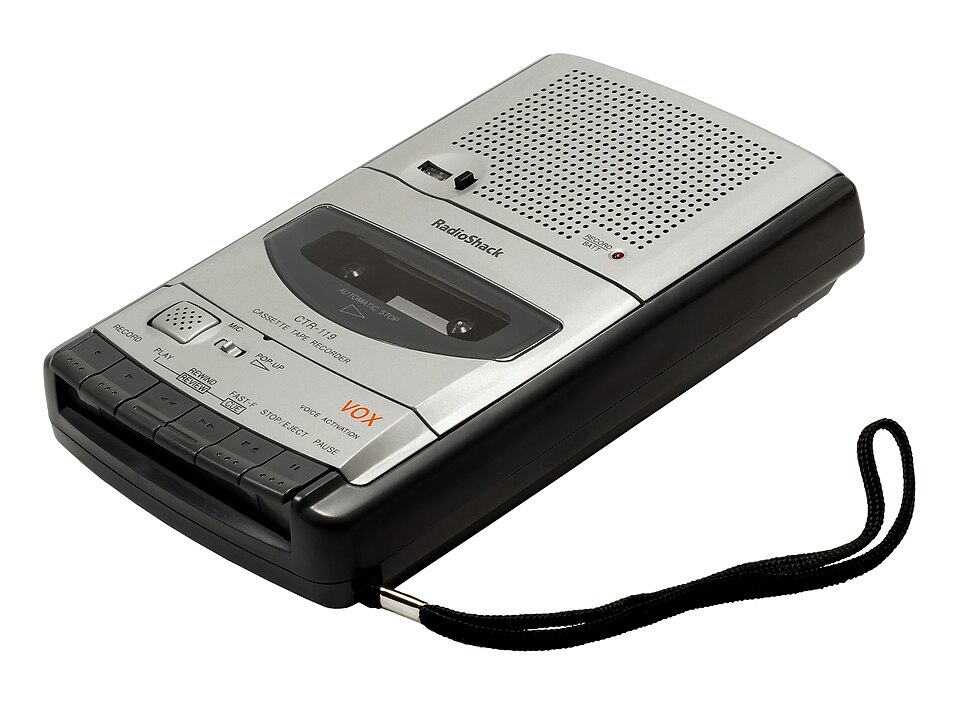
Filed for bankruptcy in 2015 and again in 2017; survives mainly as an online brand and a few independent dealer stores.
Radio Shack was founded in 1921 as a mail-order radio supply company, but the real transformation came in 1963 when the Tandy Leather Company acquired it and began building retail locations. The chain's genius was positioning itself between the hobbyist (who wanted individual components) and the casual consumer (who wanted working products). You could buy a pre-made radio in the window, or come in and ask for a specific capacitor, resistor, or transformer. The staff actually knew what these things were. In the era before the internet, Radio Shack was where you went to learn about electronics.
By the 1980s and 1990s, Radio Shack was ubiquitous. Every shopping mall had one. Every small town had one. Stores were small — narrow, dense, every inch of wall space filled with bins of components, soldering irons, multimeters, test equipment. Pre-made products: AM/FM radios, circuit kits, the TRS-80 computer, walkie-talkies. Radio Shack was where hobbyists learned electronics. Where your dad bought a soldering gun. Where you went to understand how things worked. The staff were actual electronics enthusiasts, not commission-driven salespeople.
The problem was that things stopped being that hard to understand. Smartphones arrived, and suddenly you didn't need to fix your electronics — you just bought a new one. Components became harder to source because fewer people built from scratch. By the 2000s, Radio Shack was struggling to redefine itself. It tried selling cell phones. It opened "Shack" branded stores. Nothing worked. The company was too tethered to an era of DIY electronics that was passing.
Radio Shack filed for bankruptcy in 2015. A few stores limped on under new ownership, but the era of Radio Shack as the go-to place for electronics components was finished. The company had lasted over 50 years because it understood something fundamental: people want to understand how things work, and they want access to the tools to fix and modify them. When consumer electronics became black boxes, Radio Shack's purpose evaporated. The final Radio Shack stores closed in the early 2020s. For anyone who spent hours in a Radio Shack learning to solder or hunting down a specific component, the store was an education in how electronics worked. That education is mostly lost now — we live in a world of sealed devices and planned obsolescence.
Known For
- Batteries, cables, and electronic components
- The TRS-80 personal computer
- Asking customers for their address