Eckerd
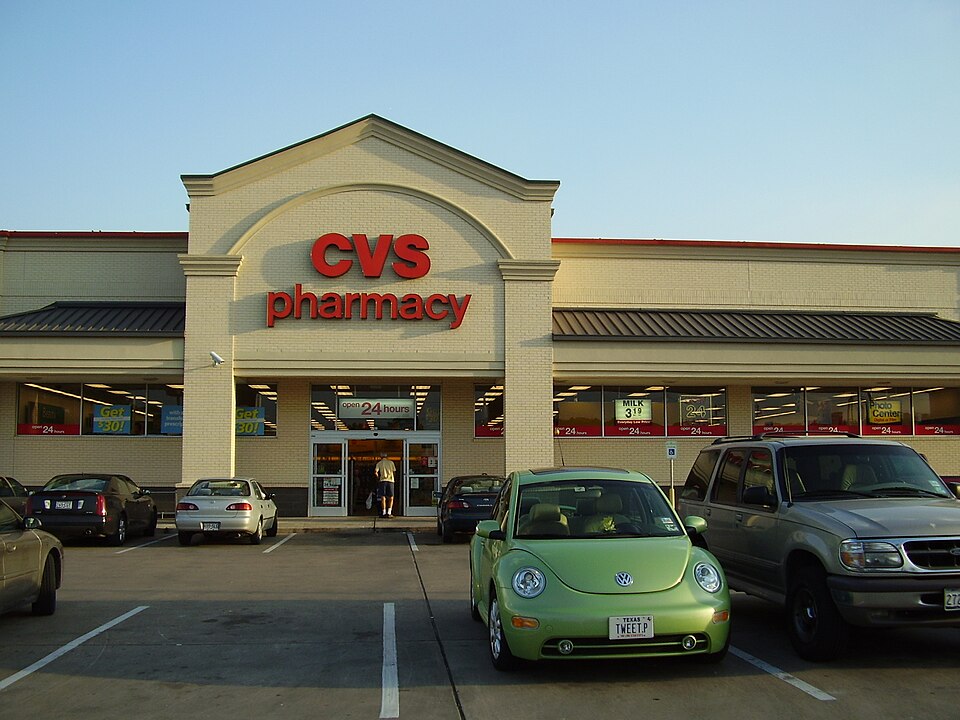
Broken up and sold to CVS and Rite Aid in 2004–07, ending the Eckerd nameplate in the U.S.
The Eckerd drugstore was a neighborhood anchor. Not the big pharmacy chains that exist now, but independent or regional drugstores — every neighborhood had one. You went there for prescriptions, sure, but also for cosmetics, greeting cards, a quick lunch at the soda fountain, magazines, and sundries. The pharmacist knew you. Eckerd, founded in 1898 and grown into a major chain across the South and Southeast, was the kind of store that served this function well. It was a real neighborhood institution, not just a transaction.
Eckerd stores were community institutions. The pharmacy was professional and staffed by people who actually cared about your health. The merchandise was curated — they stocked things people actually needed, not just high-margin impulse buys. The soda fountains in some locations became gathering places where neighbors caught up. For a small town or neighborhood, the Eckerd (or its regional equivalent) was where you bought things you couldn't get elsewhere and knew the person ringing you up.
But drugstores as a category have been decimated. CVS and Walgreens consolidated the market through aggressive expansion and acquisition. Independent pharmacies couldn't compete on price or convenience. Specialty retailers — Ulta for beauty, Target for sundries — took away department store customers. Online retailers took everything else. The neighborhood drugstore didn't have a future.
Eckerd was acquired by J.C. Penney in 1997, then sold to Rite Aid in 2004, then liquidated by 2007 as Rite Aid itself struggled. The regional drugstore era ended. What replaced it was vast pharmacy chains that are efficient but soulless, and specialized retailers that are better at specific categories but can't replace the neighborhood gathering place that a local drugstore provided. The loss of neighborhood drugstores is one of the quieter retail collapses. You don't see protests when a drugstore closes. But for older people especially, those stores represented access — a place where you could get health care, talk to someone who knew you, grab a magazine or greeting card without making a big trip. That level of convenient, personalized service in a retail context is mostly gone now.
Known For
- Major Southern pharmacy chain
- One-hour photo developing
- Split between CVS and Rite Aid